

(TITC) – After being honored as “Asia’s Leading Cultural Destination 2025” at the World Travel Awards (WTA), the UNESCO Global Geopark Dong Van Karst Plateau continues to make a new mark by being nominated for the highest category: “World’s Leading Cultural Destination 2025.” This title not only confirms the unique appeal of the rocky highland of Ha Giang but also demonstrates Vietnam’s increasingly solid position on the global tourism map.
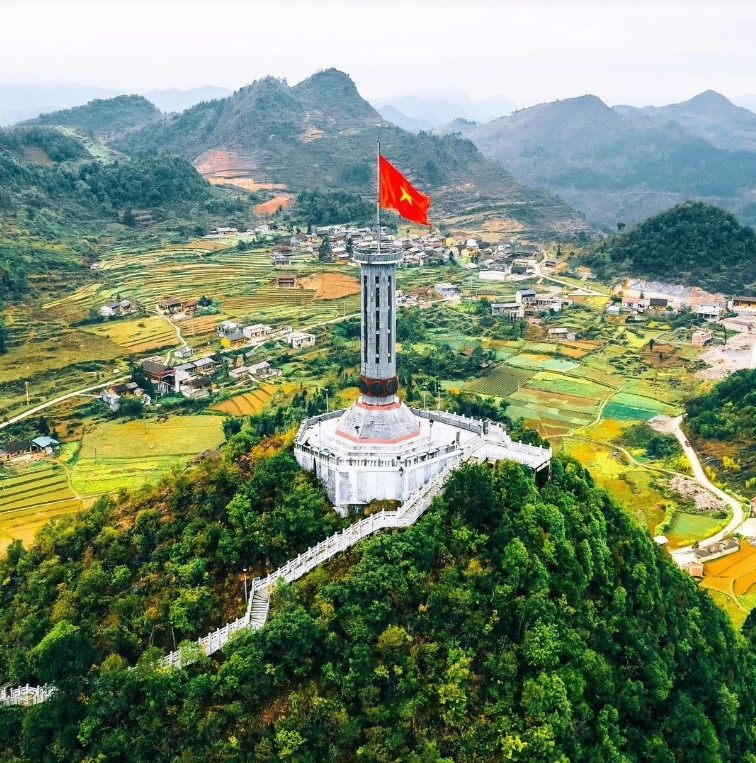
In the northernmost part of the country, where overlapping limestone ranges rise amidst white clouds, the UNESCO Global Geopark Dong Van Karst Plateau has long been a special symbol of geology, culture, and history for Vietnam and the region. Not only impressive for its hundreds-of-millions-of-years-old geomorphological beauty, Dong Van also possesses an endemic cultural space rarely preserved so intactly elsewhere in the world. The resonance between geology, culture, and life makes this land a “living museum” under the open sky, where every house and every rock outcrop is tied to a unique story of the mountain people.
Magnificent Geological Imprints Over Hundreds of Millions of Years
Recognized by UNESCO as a Global Geopark in 2010, the Dong Van Karst Plateau spans over 2,300 km², covering four districts: Quan Ba, Yen Minh, Dong Van, and Meo Vac. This is one of the world’s oldest karst regions, containing layers of geological history dating back over 400 million years.
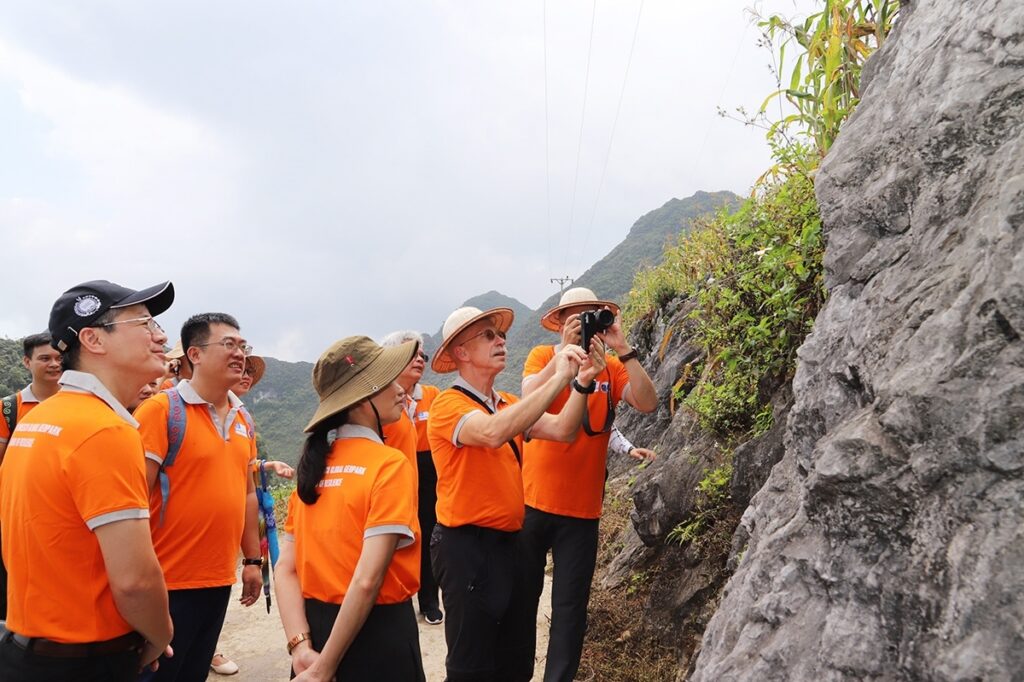
The sharp, vertical “cat-ear” rocks, deep karst valleys, and eroded strata revealing unique limestone structures create a landscape that is both fierce and mesmerizing. Beyond attracting tourists with its distinct beauty, it is an ideal research site for international geologists to directly observe Earth’s evolutionary history on every cliff face.
Architecture, History, and Indigenous Cultural Space
Dong Van is the “common home” of more than 17 ethnic groups, most notably the Mong, Lo Lo, Tay, and Pu Peo. Each community possesses its own indigenous knowledge system, forming one of Vietnam’s most diverse and unique cultural spaces.
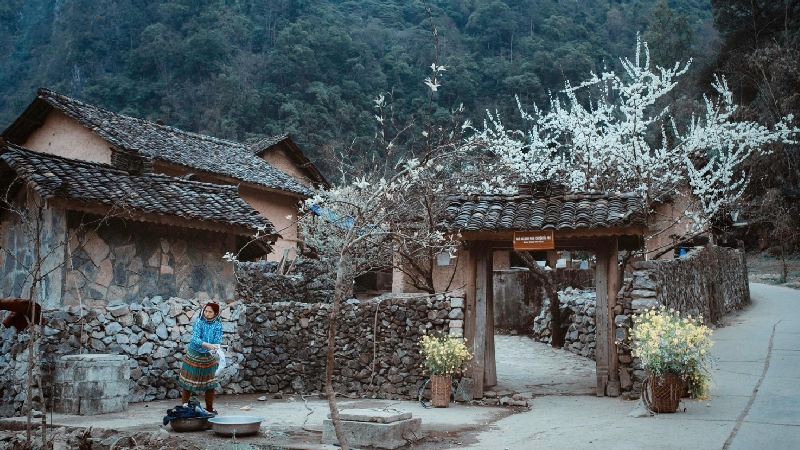
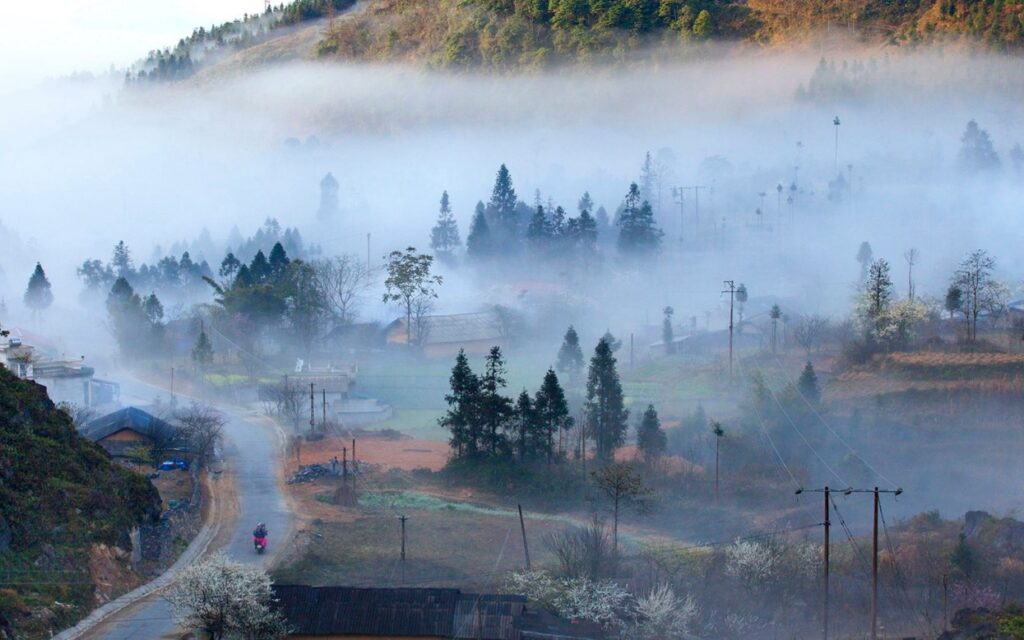
The plateau is also famous for architectural and historical works with distinct identities. Dong Van Old Quarter, with over 40 “trình tường” (earthen wall) houses hundreds of years old, creates a nostalgic space amidst majestic nature. At sunset, the yin-yang tiled roofs combined with golden lights make the area look like a scene from a nostalgic movie.
Here, the earthen houses, rock-fenced terrace fields, vibrant traditional costumes, and the sound of the “khèn” (panpipe) echoing through the villages all carry stories passed down through generations. The periodic markets of Dong Van, Meo Vac, and Sung La are the convergence of the rocky highland’s essence, where visitors can touch the rustic yet rich identity that keeps them returning.
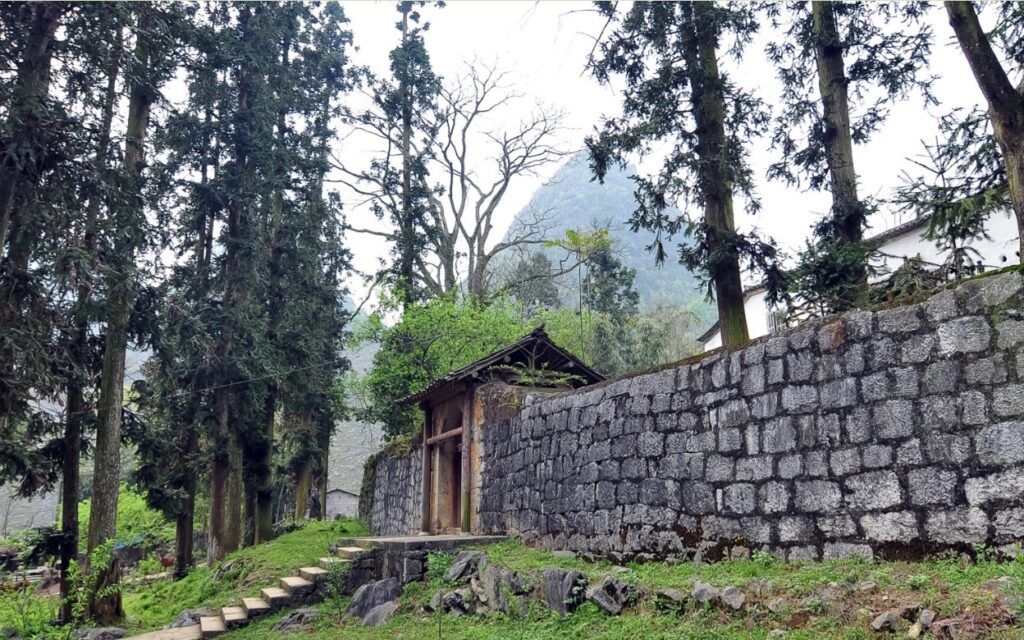
Furthermore, the Vuong Family Mansion—a “green gem” in the Sa Phin Valley—is a masterpiece blending Mong architecture and Chinese style. Lung Cu Flag Tower, the northernmost point of the country, is a place every traveler aspires to conquer, not just for the view but to feel the pride of standing at the “frontier of the Fatherland.”
Asia’s Leading Experience and Adventure Destination
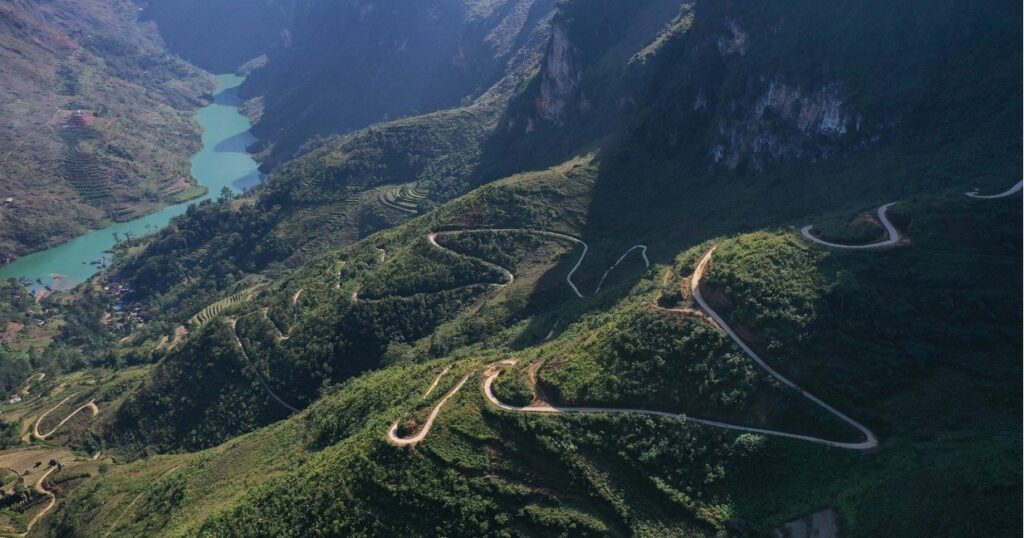
Referring to Dong Van, one cannot ignore the most spectacular mountain passes in Vietnam and Asia. The “Happiness Road” running along the mountainsides, connecting Meo Vac – Dong Van – Quan Ba, is the result of tens of thousands of working days by young volunteers. Ma Pi Leng Pass, Tu San Canyon, and the emerald Nho Que River have become icons of adventure and discovery tourism.
Kayaking on the Nho Que River, trekking through independent villages amidst the rocks, watching the sunset at Ma Pi Leng Panorama, or camping near ancient rock forests—all create a unique experiential ecosystem attracting a large number of international tourists annually.
International Recognition as a Launchpad to the World
WTA recognized the Dong Van Karst Plateau for several outstanding factors: unique geological value in Southeast Asia; pristine and identity-rich cultural space; majestic landscapes with great potential for exploration; and strong community participation with a commitment to sustainable development.
The nomination for “World’s Leading Cultural Destination 2025” is of great significance to Ha Giang and Vietnam. It shows that the allure of the Ha Giang rocky highlands has transcended regional boundaries to reach a global level.
Sustainable Development: A Long-term Path
Dong Van Karst Plateau is ready to embark on a new journey: becoming a global cultural symbol. To preserve and promote these titles, local authorities have set a goal to develop tourism alongside conservation, viewing heritage as the center and the community as the primary subject.
Major programs being implemented include upgrading transportation infrastructure, developing characteristic cultural and geological tourism products, preserving indigenous languages and costumes, and encouraging eco-community tourism models. Every step aims to maintain the original beauty, protect the landscape, and enhance the quality of the experience for visitors.
Google Map Link
 Thu Ha